
Sustainable Handmade Products: The Eco-Friendly Revolution in Home Goods


In recent years, the demand for sustainable handmade products has surged, marking a significant shift in consumer behavior. As awareness of environmental issues grows, more people are seeking eco-friendly alternatives for their homes. Handmade products not only offer unique aesthetics but also contribute to a sustainable lifestyle.
Opting for handmade goods often means choosing items crafted with care, using sustainable materials. This conscious decision supports both the environment and the artisans who dedicate their skills to creating these beautiful pieces. From furniture to decor, the options are plentiful, and each piece tells a story of craftsmanship and sustainability.

The Rise of Eco-Friendly Home Goods
The eco-friendly revolution in home goods is fueled by a desire to reduce waste and minimize carbon footprints. Traditional manufacturing processes often involve mass production, leading to significant environmental impacts. In contrast, handmade products are typically produced in smaller quantities, using locally sourced materials, which drastically reduces waste.
Consumers are now more informed about the environmental consequences of their purchases. This awareness has led to a rise in demand for products that align with eco-friendly values. Handmade home goods fit perfectly into this niche, offering sustainability without compromising on style or quality.
Benefits of Choosing Handmade
Choosing handmade products comes with a host of benefits that extend beyond environmental impact. Here are some reasons why handmade items are a great choice for your home:
- Unique Designs: Each piece is crafted individually, ensuring that no two items are exactly alike.
- Quality Craftsmanship: Artisans often use traditional techniques, resulting in high-quality, durable products.
- Support for Local Economies: Buying handmade supports local artisans and small businesses.
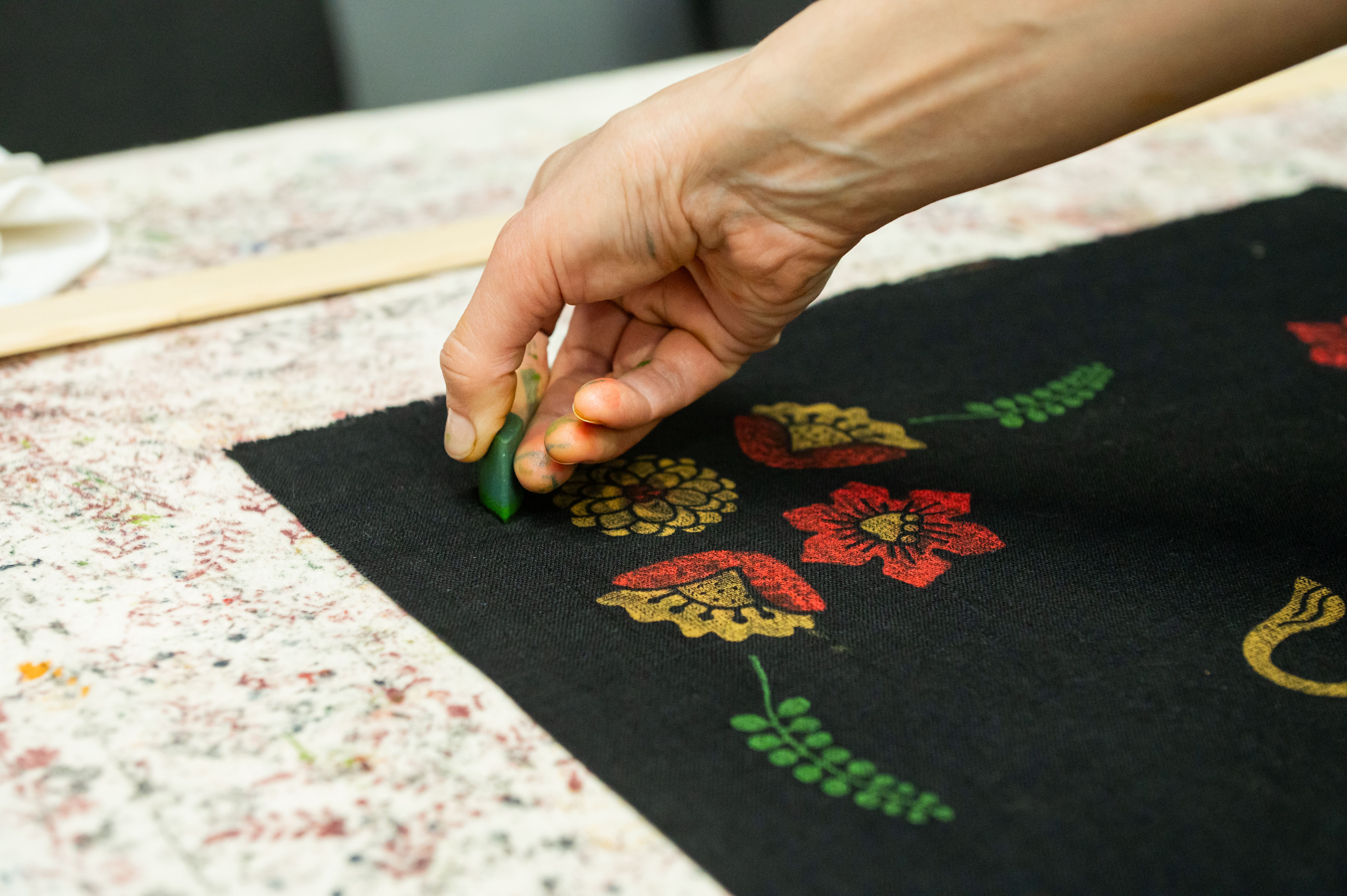
Materials Matter
One of the defining aspects of sustainable handmade products is the use of eco-friendly materials. Common materials include reclaimed wood, recycled metals, organic cotton, and natural dyes. These materials not only reduce environmental impact but also enhance the beauty and uniqueness of the final product.
Reclaimed and recycled materials are particularly popular, as they offer a second life to resources that would otherwise be discarded. This approach not only conserves resources but also inspires creativity in design, as artisans find innovative ways to utilize available materials.
Making a Difference with Every Purchase
Every purchase of a sustainable handmade product is a step toward a more eco-conscious lifestyle. By choosing products that are made with care and consideration for the environment, consumers can contribute to a larger movement that values sustainability and ethical production practices.
Incorporating handmade items into your home not only enhances its aesthetic appeal but also reflects a commitment to supporting sustainable practices. As more people embrace this way of living, the market for eco-friendly goods continues to grow, paving the way for a more sustainable future.